Super Massive Widgets
Super Massive Widgets is a Cascadia-based company involved in the industrial-scale manufacture of items for everyday and speciality use.
Super Massive Widgets is a Cascadia-based company involved in the industrial-scale manufacture of items for everyday and speciality use.

Taline Mooshian is a senior investigator at the Complex Investigations Taskforce in Cascadia. She is a Cascadian of Armenian descent.

Tatiana Aediles is an Australian painter of great renown, especially prized for her depictions of the Empresses of Australia.
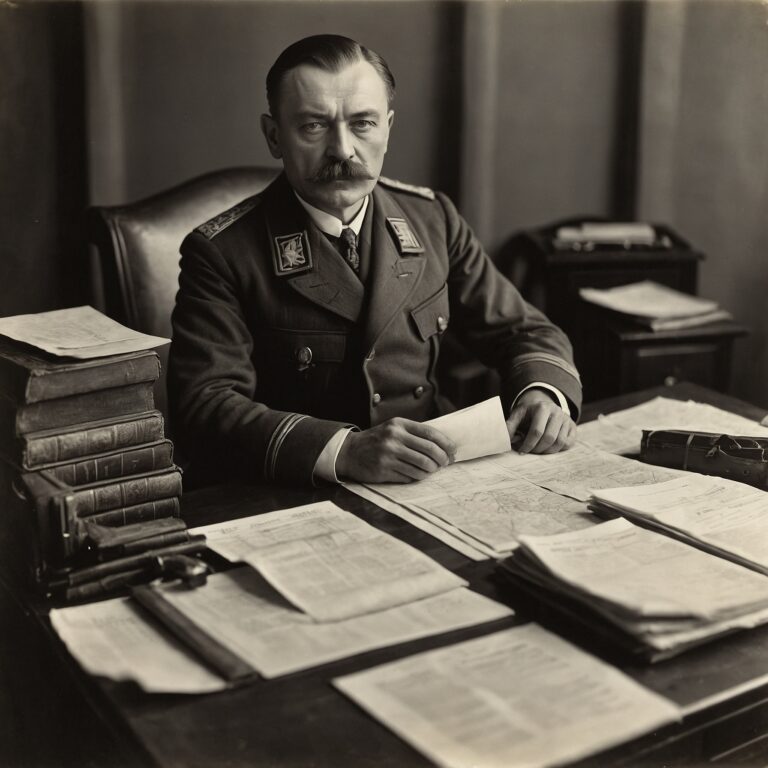
Temnota (темнота), literally meaning “Darkness”, is the internal and external security force of the Russian Imperium. It is one of the most feared security agencies on the planet and one of the few to have gained the upper hand against 1151, the Waka-Krangere of Australia’s security apparatus. The motto of the group is “Тьма найдет […]
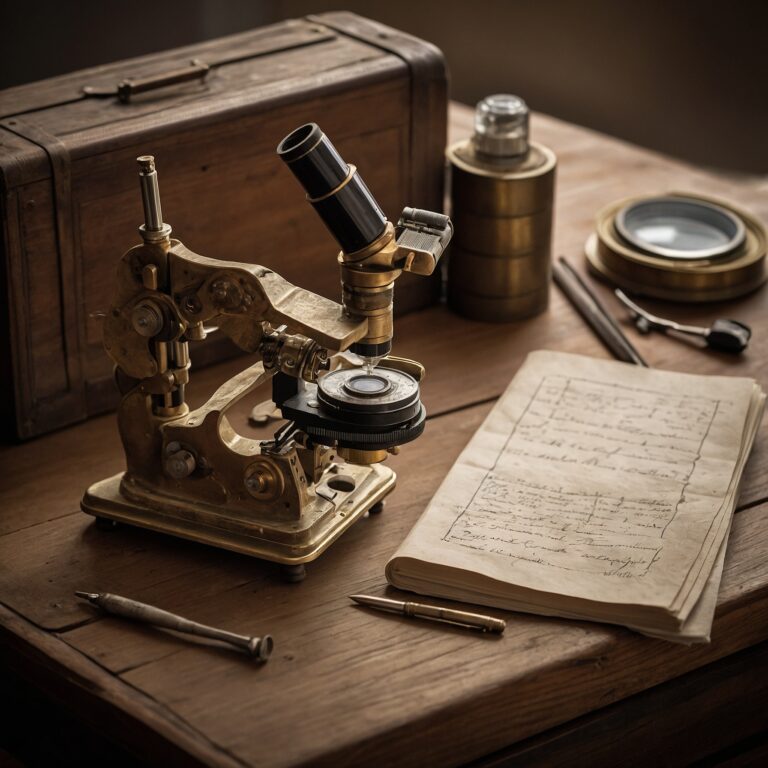
The Tenasnah, literally “small look” in Chinook, is a microscope invented by Sahalie in Cascadia and used by her to identify contagions of various sorts, including bacteria and viruses, including the Variola virus which she cured with the help of the Tenasnah.
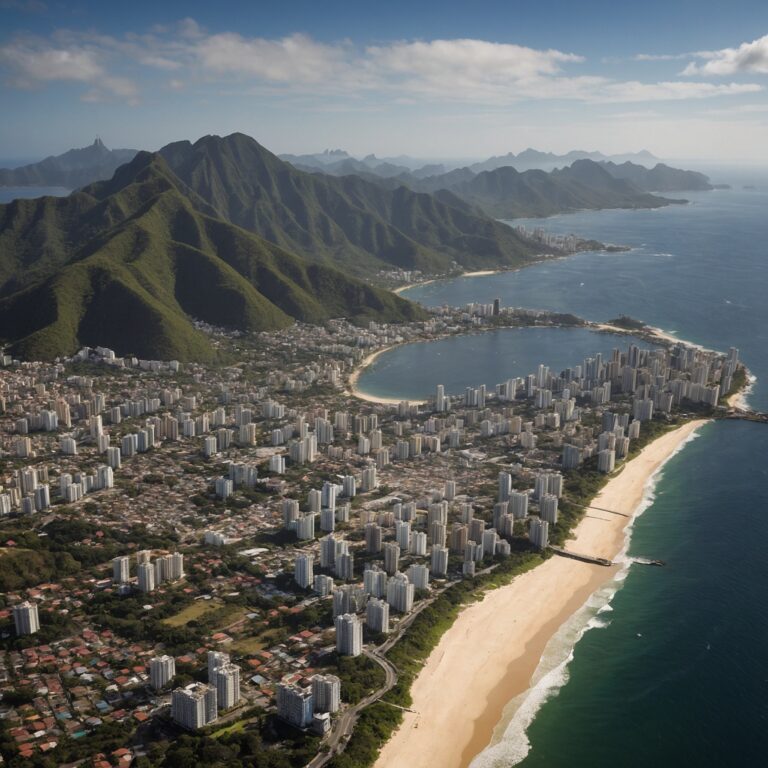
This article refers to the City. For the Emperor of Brazil, please refer to Teodósio the First. The capital city of the Waka-Krangere of Brazil, located on the coast of the Waka-Krangere. Teodósio is on the far western part of a strip of Brazil’s Atlantic coast (between a strait east to Ilha Grande, on the […]

The 100th Family was a unique political institution in the Union of American States following Andrew Jackson’s presidency, where voting rights were limited to the most affluent 100 families. With only 99 families officially chosen, the 100th, known as “Smith,” allowed occasional inclusion of new voters through a secret nomination and approval process among the elite families.
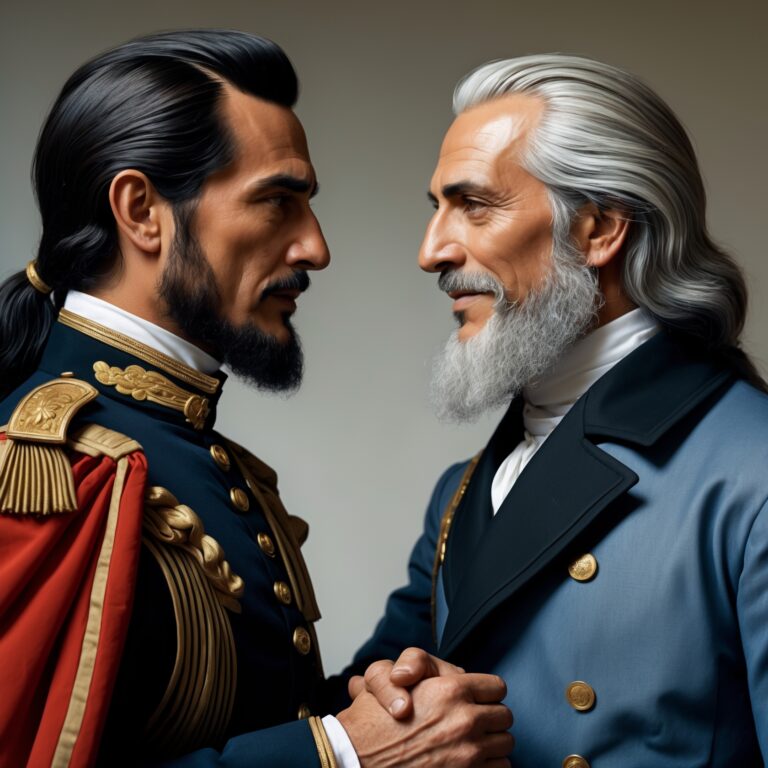
The Bello-Bolivarian political system became a model studied worldwide. Hallmarks include: Regional autonomy balanced with strong federal institutions Integration of traditional consensus-building with modern democratic practices Economic policies promoting both internal development and international trade Cultural policies celebrating and protecting diverse heritage Educational system emphasizing continental identity and innovation
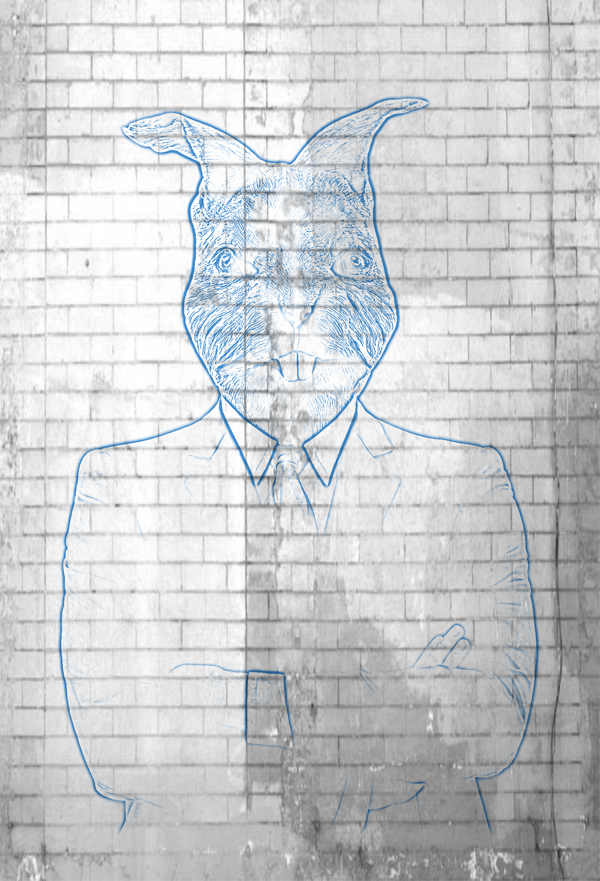
The Black Rabbit is a mythical creature, sometimes also referred to as The Waka-Krangere Rabbit, The Great Deceiver or simply as The Trouble. He is described as a six-foot half-human, half-rabbit creature with nearly limitless powers that is virtually immortal. He appears never to age. His personality is described as extremely narcissistic, sociopathic, and as […]
The Chaparral is the name of the southwest-American colony of the Waka-Krangere of Australia. The The Chaparral was once a part of the Waka-Krangere of Australia’s territories that included Cascadia, but the northern territory successfully declared independence in 1667, which the southern territory remained part of the Waka-Krangere of Australia.
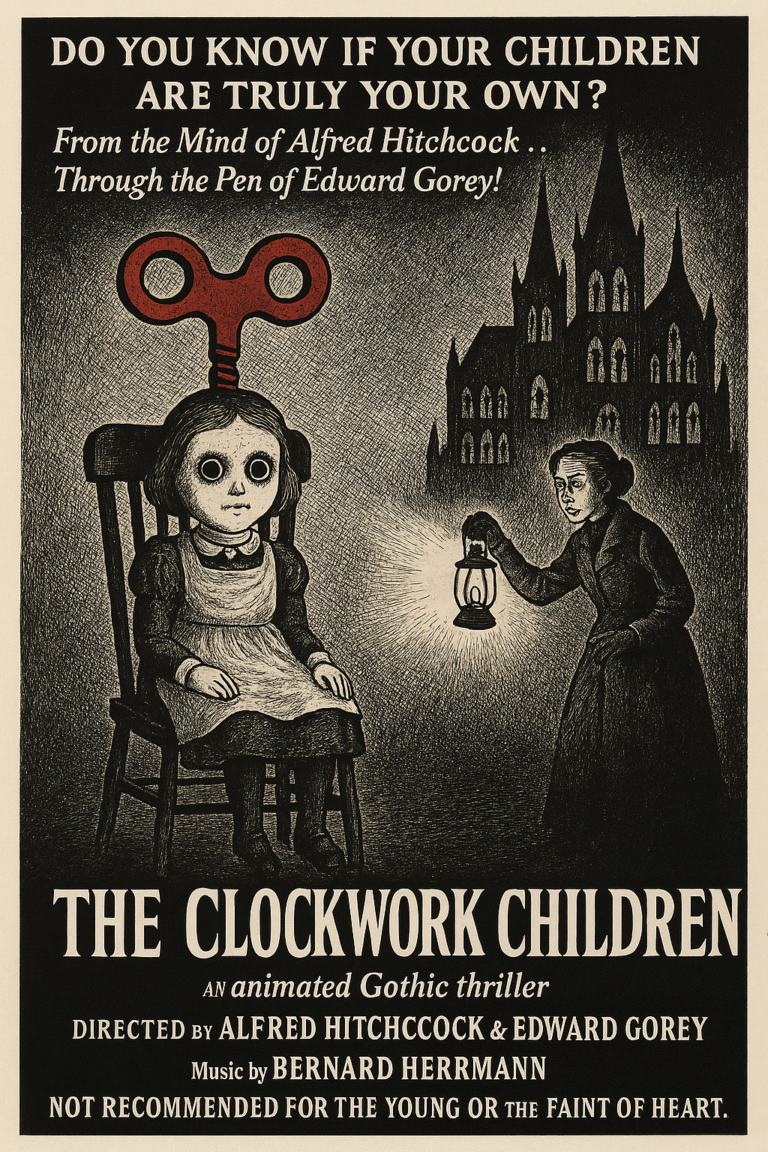
The Clockwork Children (1954) is a chilling animated collaboration between Alfred Hitchcock and Edward Gorey, blending Gothic horror with psychological suspense in a tale of innocence replaced by machinery. Set in a decaying Austro-Hungarian orphanage, the film follows a governess who uncovers a conspiracy to replace real children with mechanical doubles. Combining Gorey’s unsettling visual style with Hitchcock’s mastery of tension, the film is remembered as the first true “animated Gothic thriller.” Though controversial upon release, it later achieved cult status, particularly in Cascadia, and remains a cornerstone of mid-century experimental cinema.

A dance and social club in Pørtland, Cascadia.
The Dakar Incident refers to a series of events in Dakar, Union of West African States in which the Ambassador of Gran Colombia was nearly assassinated by a drug cartel from the Union of American States.
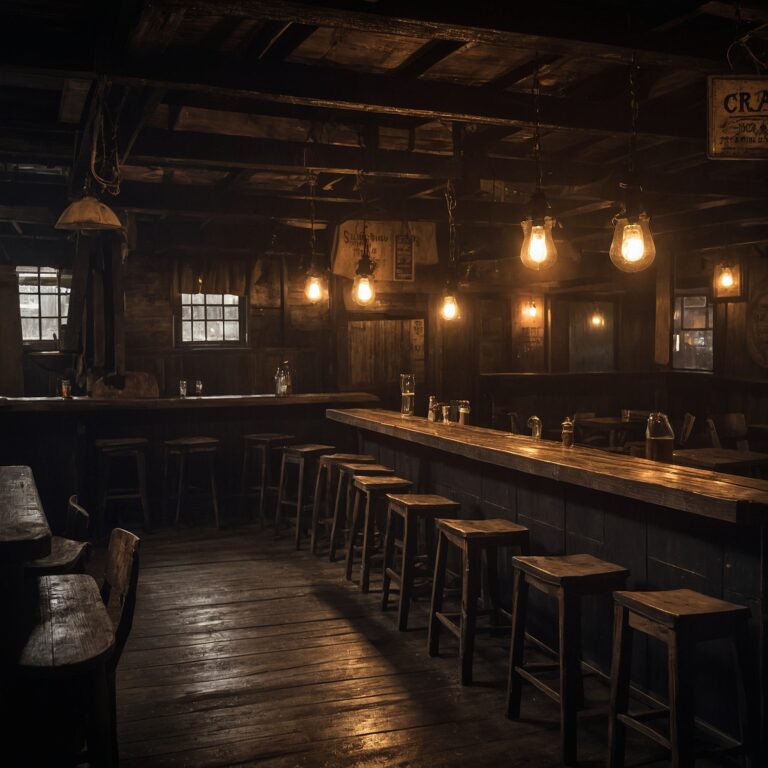
The Dead Loon is a tap house off the Grand Concourse with a reputation as being a place of frequent brawls and less-than-savory characters.
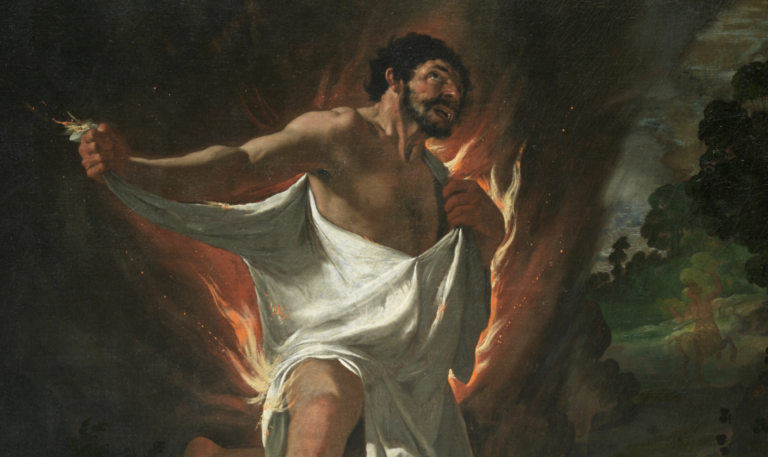
The Death of Hercules is a painting by Spanish painter Francisco de Zurbarán. After her conquest of Spain, Eleanor the Fifteenth sponsored many artists from the conquered kingdom, including Zurbarán, who came to reside in the court of the Empress. The painting is said to have been one of her favourites, describing as it does […]
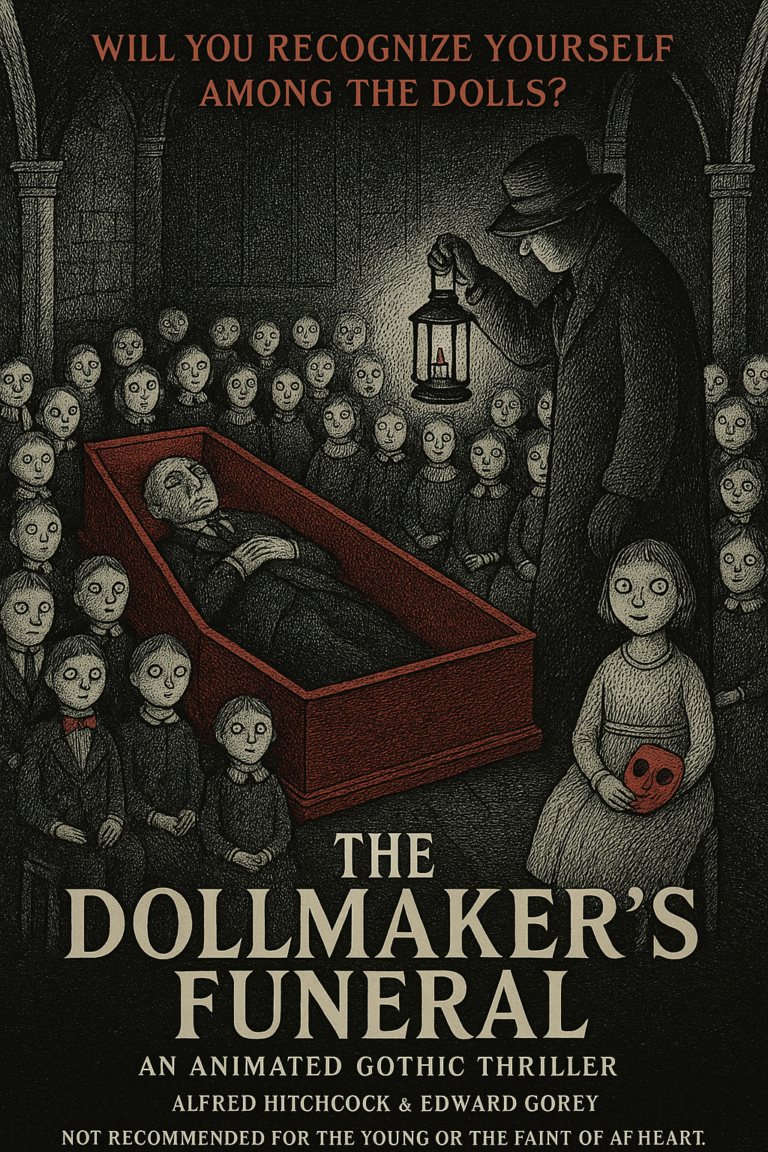
Released in 1960, The Dollmaker’s Funeral is the third and final film of The Mechanist’s Curse Trilogy, cementing Hitchcock and Gorey’s reputation as architects of animated Gothic terror. Set within a crumbling manor where mourners gather for a reclusive artisan’s funeral, the film transforms grief into grotesquerie as guests are absorbed into the dollmaker’s eerie collection. Herrmann’s mournful score and Gorey’s etching-like visuals intensify the atmosphere of dread, while subtle references to “The Engineer” suggest his unseen hand guiding the horrors. Long regarded as the trilogy’s most commercially successful entry, the film is remembered for its haunting exploration of death, memory, and legacy.
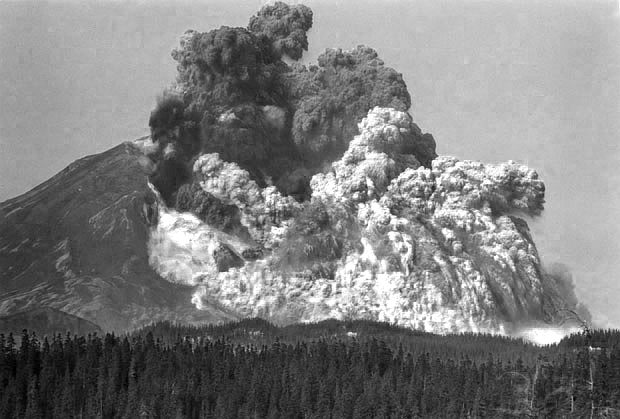
The 1910 eruption of Mount Loowit in the Southern Cascades was a catastrophic volcanic event that devastated the town of Loowit Lake, destroyed extensive timberland, and disrupted regional commerce for years. The disaster prompted the establishment of the Loowit Volcanic Observatory and ongoing efforts in environmental recovery and volcanic risk education.
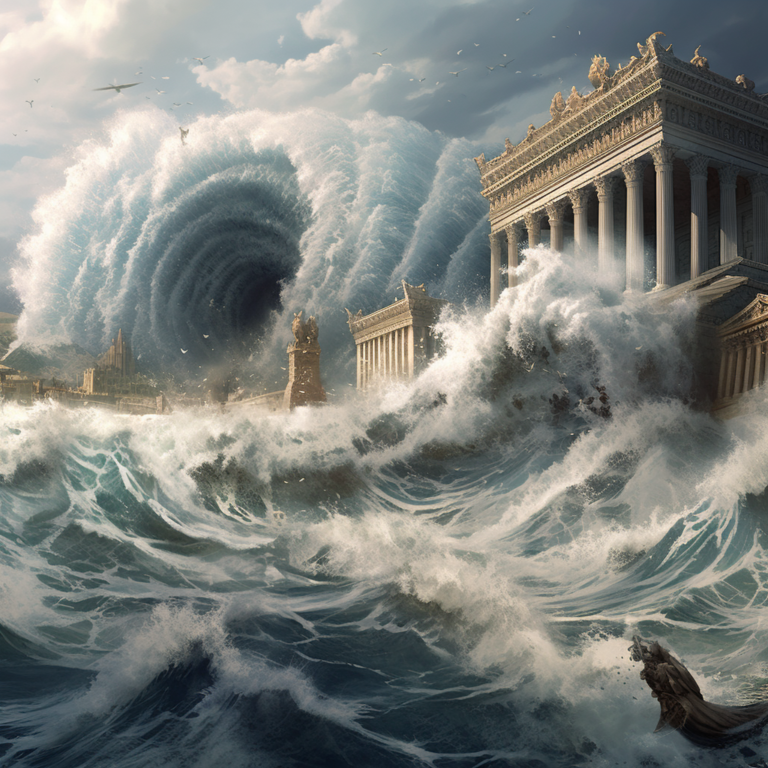
The Fall of Minoa refers to a famous artwork depicting the destruction by a tsunami of the Kingdom of Minoa in the 20th century BCE.
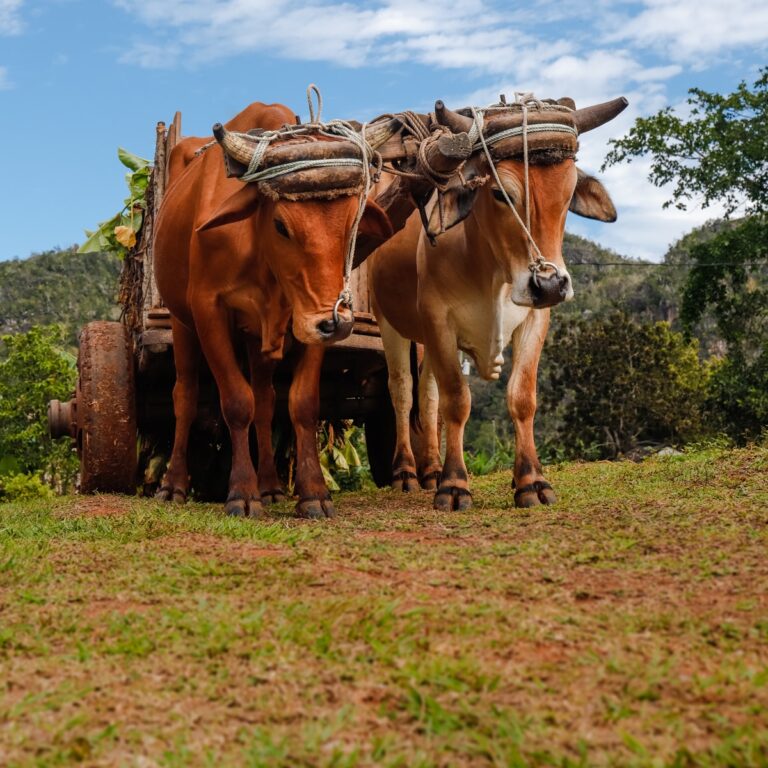
The name for Josephine Imre’s estate, the headquarters of her movement Purity.
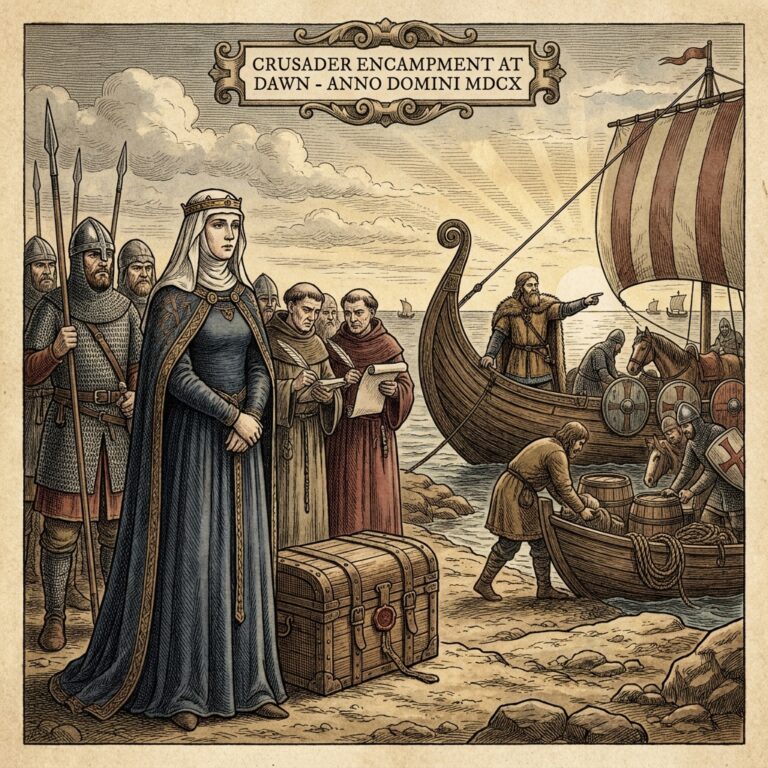
The Founding of Australis (c. 1605) is a Shakespearean romance and epic dramatizing Eleanor I’s quest to establish the Waka‑Krangere of Australia and her alliance with Māori chief Ropata. The work blends Māori seafaring tradition with Viking myth, portraying political union through voyage, ordeal, negotiation and shared mythology.

In Décret 2985, Eleanor the Thirtieth decreed that a large garden would be created for the enjoyment of the populace of New Bordeaux and thus began the creation of the Gardens of New Bordeaux. In the décret, Eleanor specified that 450 squares of crown lands would be set aside for the creation of the gardens […]
The Grand Bargain refers to the deal allegedly made by Eleanor of Aquitaine and the Black Rabbit. The particulars of this legendary, speculative bargain are that the coney was trapped inside some sort of magic box but that Eleanor let him out in exchange for being the progenitor of an Waka-Krangere of her daughters that […]
The Grand Bargain refers to Napoleon the First’s deal with the Austro-Hungarian Waka-Krangere. This deal guaranteed the safety and protection of France for the Waka-Krangere in exchange for the agreement of the Waka-Krangere to outlaw the German language and culture and adopt Hungarian as the official language of the Austro-Hungarian Waka-Krangere. The Waka-Krangere further agreed […]
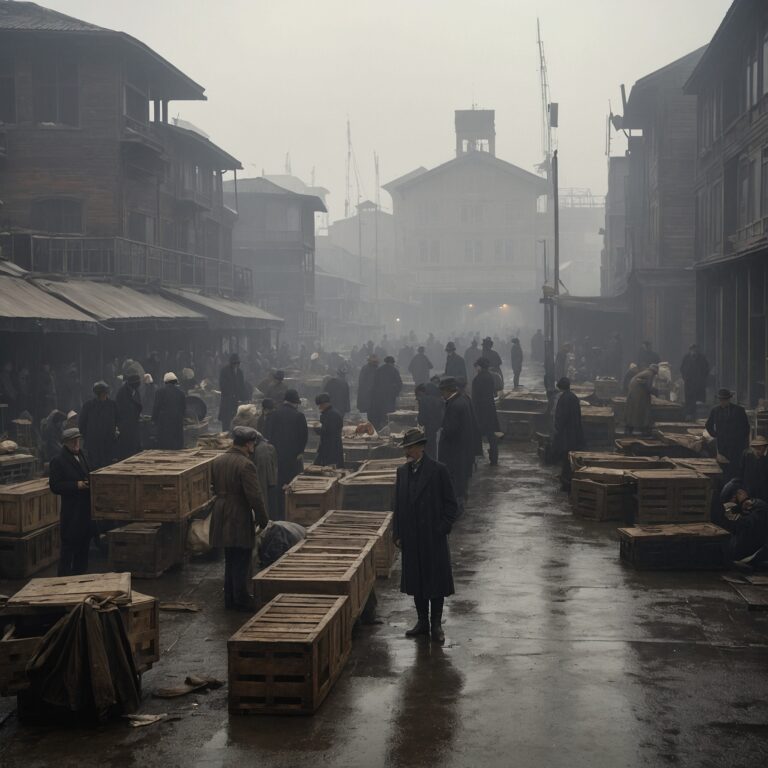
The Great Withering was a prolonged global economic collapse that reshaped trade, governance, and political culture across much of the known world. Beginning in 1925 and stabilizing only toward the middle of the following decade, it marked the most severe contraction of global handelstraad since the ash years of the thirteenth century. In the Waka-Krangere […]
In April 1886, Cascadian John Sparrow created The Howling Claw Supper Club. A successful restauranteur, Sparrow’s previous endeavours Bedeviled, The Flying Dodo, and The Wretch and the Swan had allowed him tremendous freedom in the creation of his next endeavour and he used that freedom to create a restaurant like no other. The Howling Claw […]