
" 1 7 A B C D E F G H I J K L M N O P Q R S T U V W Z
Citizen holding certificate outside a government building, observed by onlookers.

The 100th Family

The 100th Family was a unique political institution in the Union of American States following Andrew Jackson’s presidency, where voting rights were limited to the most affluent 100 families. With only 99 families officially chosen, the 100th, known as “Smith,” allowed occasional inclusion of new voters through a secret nomination and approval process among the elite families.
The Bello-Bolivarian System

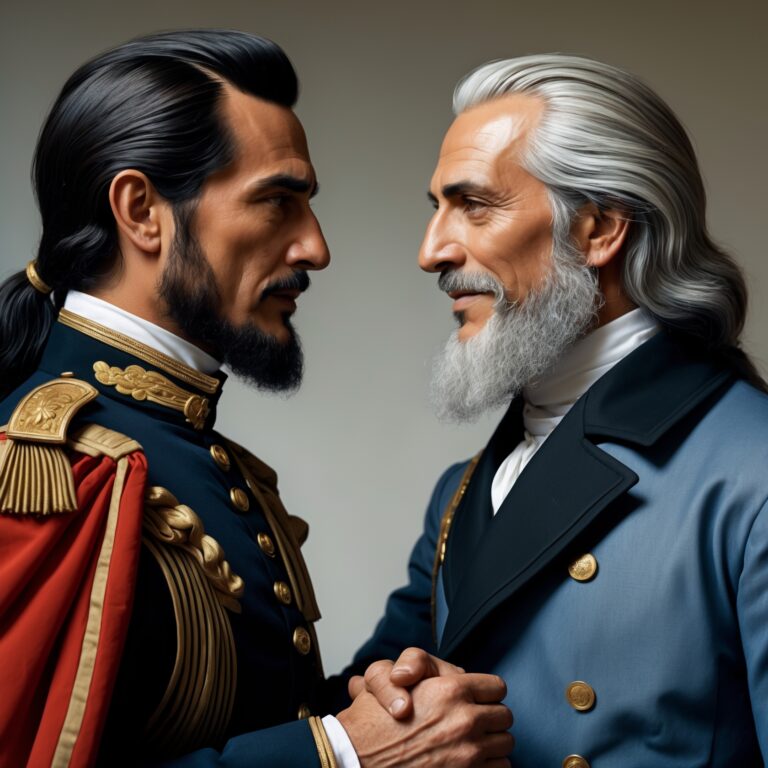
The Bello-Bolivarian political system became a model studied worldwide. Hallmarks include: Regional autonomy balanced with strong federal institutions Integration of traditional consensus-building with modern democratic practices Economic policies promoting both internal development and international trade Cultural policies celebrating and protecting diverse heritage Educational system emphasizing continental identity and innovation

The Black Rabbit

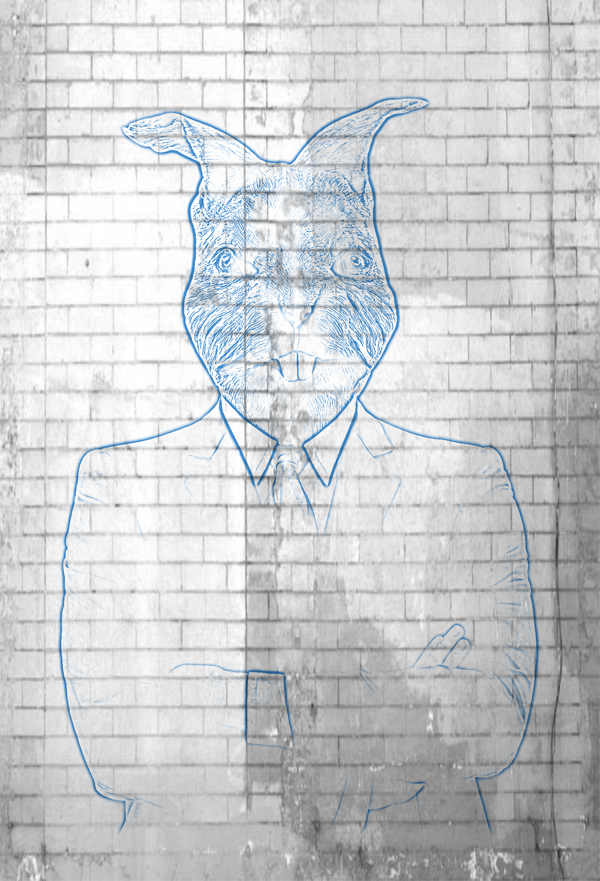
The Black Rabbit is a mythical creature, sometimes also referred to as The Waka-Krangere Rabbit, The Great Deceiver or simply as The Trouble. He is described as a six-foot half-human, half-rabbit creature with nearly limitless powers that is virtually immortal. He appears never to age. His personality is described as extremely narcissistic, sociopathic, and as […]

The Chaparral

The Chaparral is the name of the southwest-American colony of the Waka-Krangere of Australia. The The Chaparral was once a part of the Waka-Krangere of Australia’s territories that included Cascadia, but the northern territory successfully declared independence in 1667, which the southern territory remained part of the Waka-Krangere of Australia.

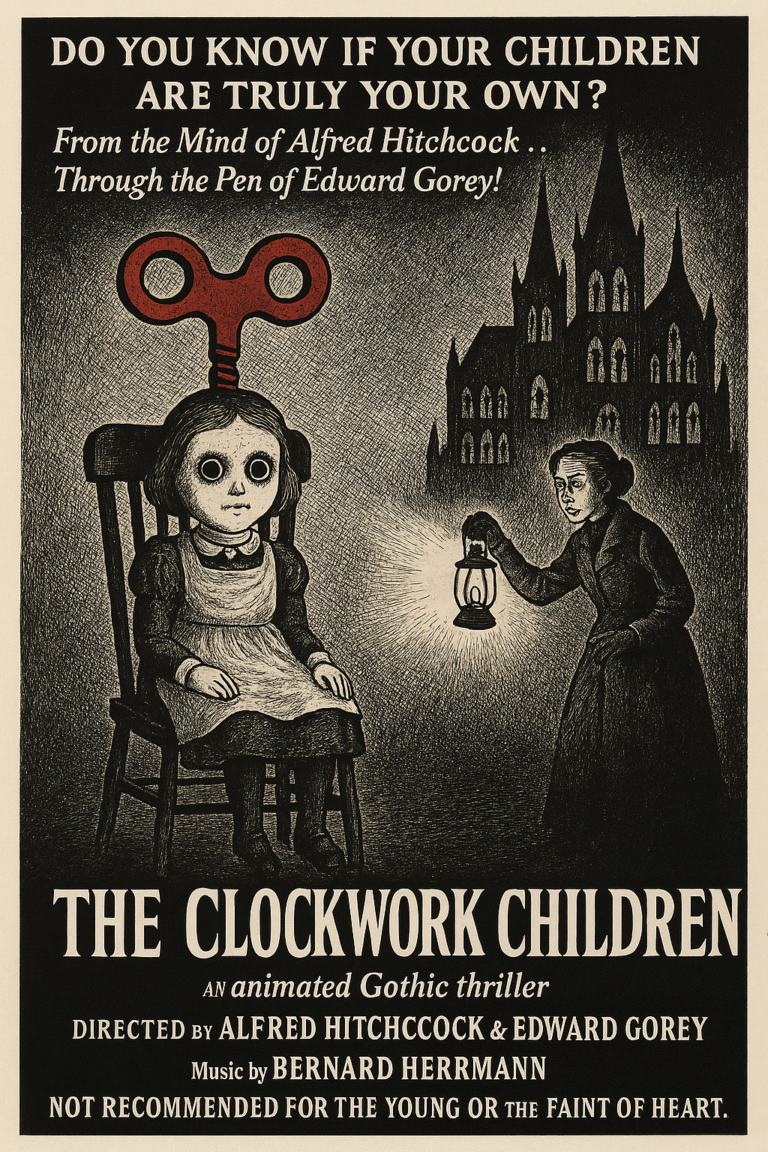
A vintage illustrated movie poster for the 1954 animated Gothic thriller “The Clockwork Children.” The poster, in black, white, and red, depicts a pale young girl sitting stiffly in a wooden chair with a giant red wind-up key protruding from her back. Her blank eyes stare forward. A governess holding a lantern shines light on the child, while behind them looms a shadowy Gothic cathedral. The tagline reads, “Do you know if your children are truly your own?” The title appears in bold serif letters at the bottom, with credits to Alfred Hitchcock, Edward Gorey, and Bernard Herrmann, and a warning: “Not recommended for the young or the faint of heart.”

The Clockwork Children

The Clockwork Children (1954) is a chilling animated collaboration between Alfred Hitchcock and Edward Gorey, blending Gothic horror with psychological suspense in a tale of innocence replaced by machinery. Set in a decaying Austro-Hungarian orphanage, the film follows a governess who uncovers a conspiracy to replace real children with mechanical doubles. Combining Gorey’s unsettling visual style with Hitchcock’s mastery of tension, the film is remembered as the first true “animated Gothic thriller.” Though controversial upon release, it later achieved cult status, particularly in Cascadia, and remains a cornerstone of mid-century experimental cinema.

The Complex - Pørtland's Favorite Dance Club

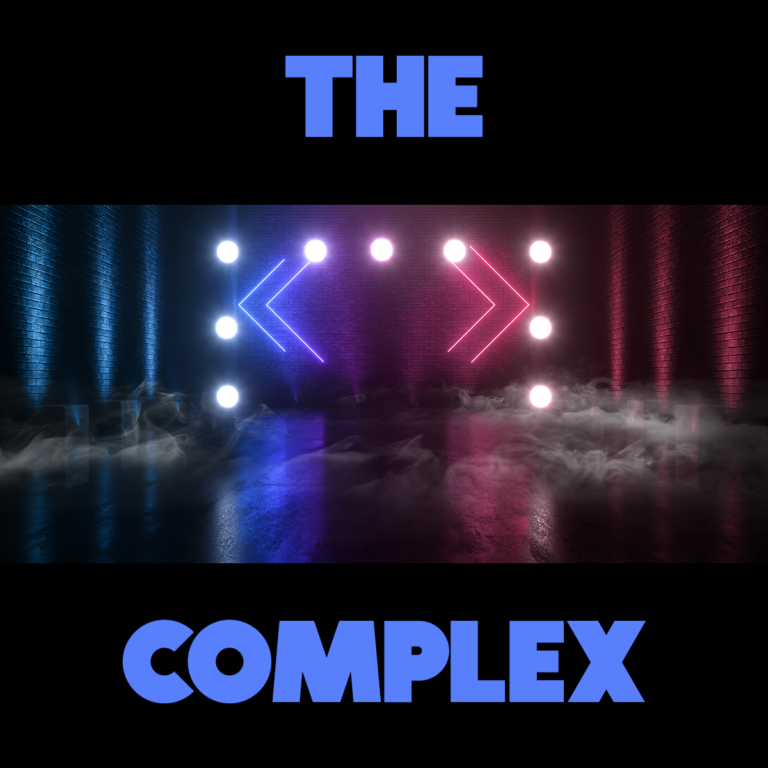
The Complex

A dance and social club in Pørtland, Cascadia.

The Dakar Incident

The Dakar Incident refers to a series of events in Dakar, Union of West African States in which the Ambassador of Gran Colombia was nearly assassinated by a drug cartel from the Union of American States.

Featured image for encyclopedia entry

The Dead Loon

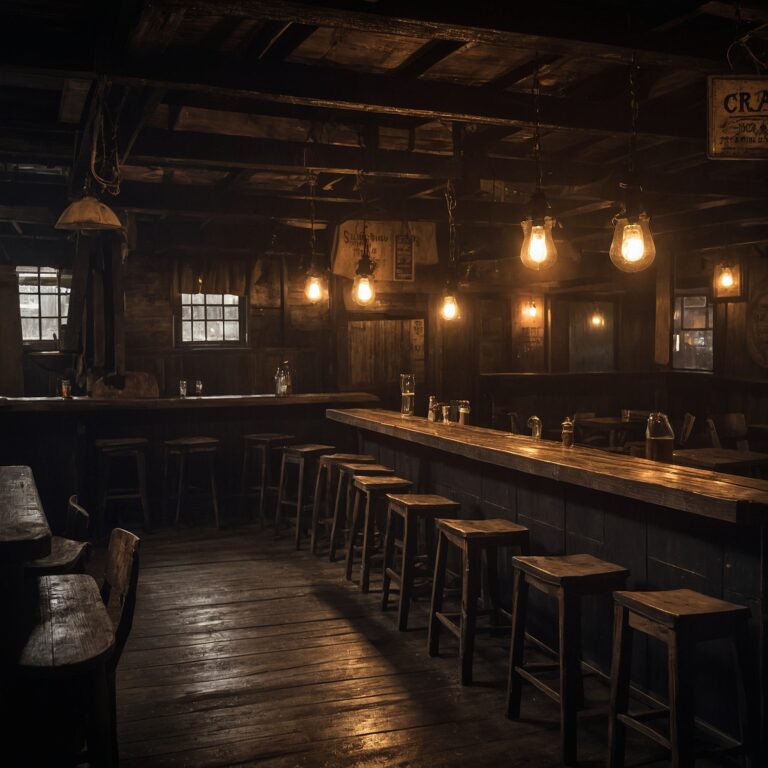
The Dead Loon is a tap house off the Grand Concourse with a reputation as being a place of frequent brawls and less-than-savory characters.

The Death of Hercules

The Death of Hercules

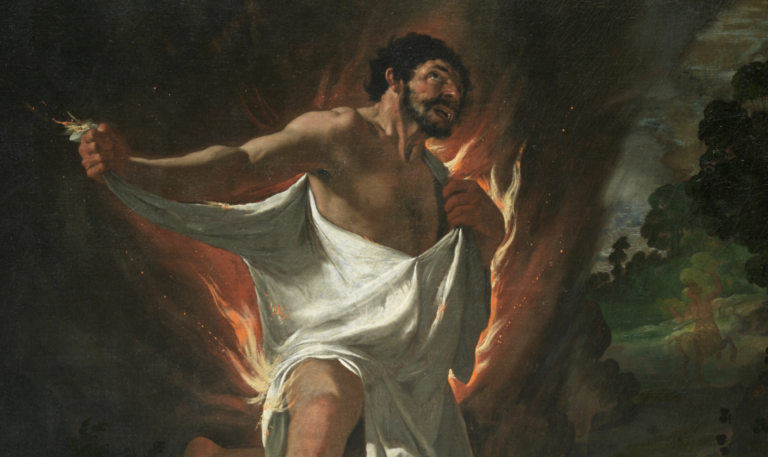
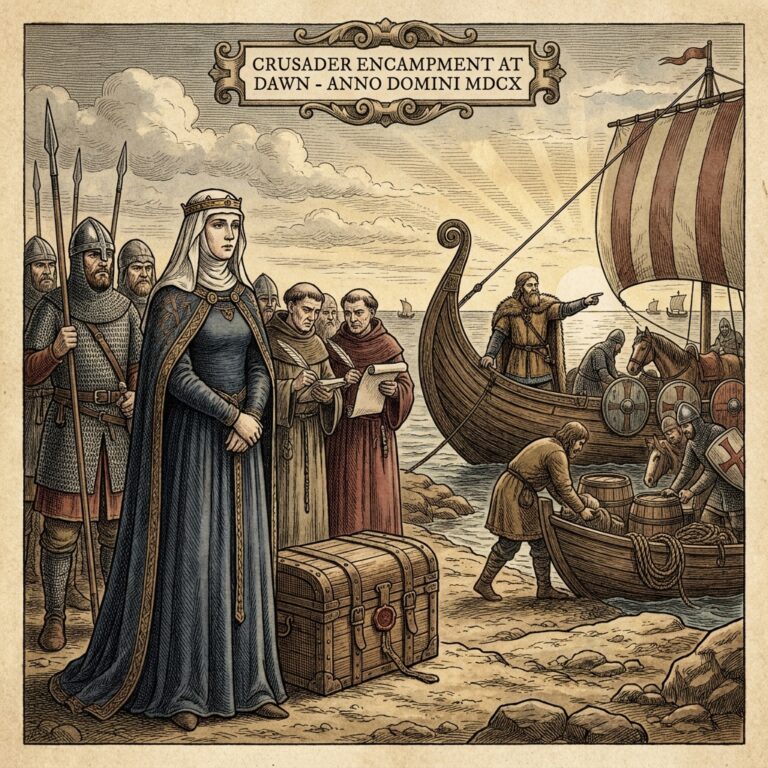
The Death of Hercules is a painting by Spanish painter Francisco de Zurbarán. After her conquest of Spain, Eleanor the Fifteenth sponsored many artists from the conquered kingdom, including Zurbarán, who came to reside in the court of the Empress. The painting is said to have been one of her favourites, describing as it does […]

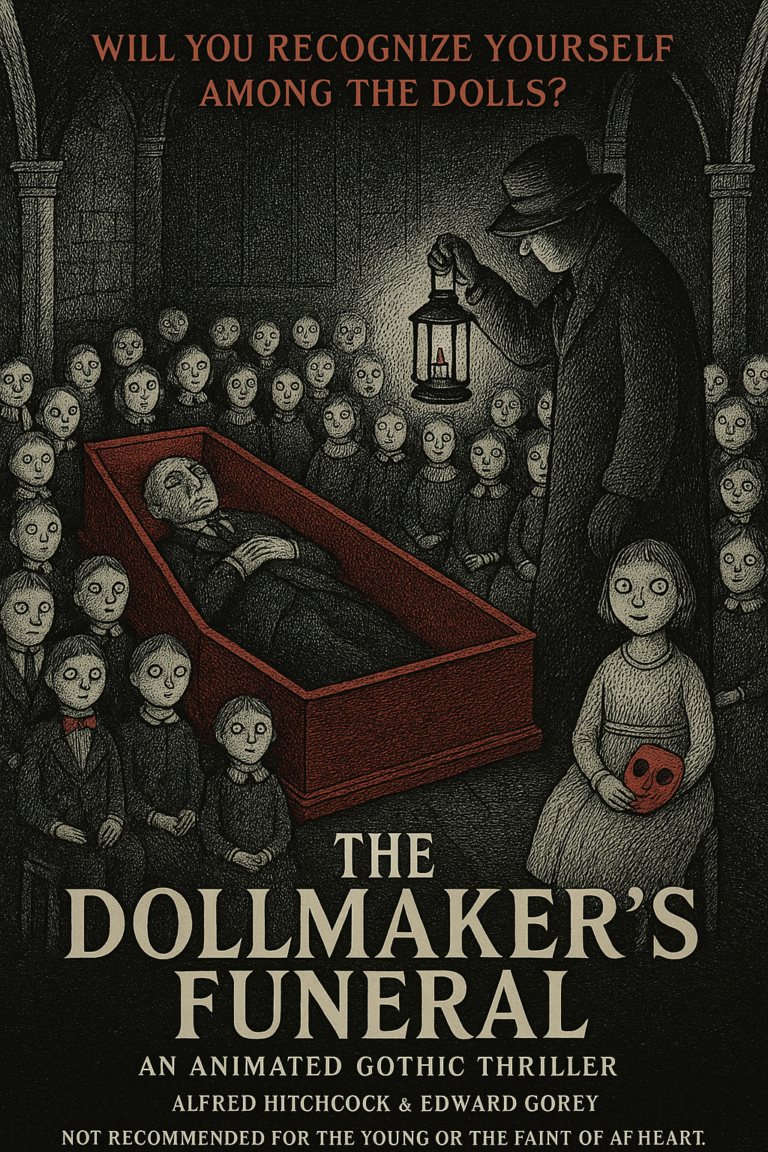
A vintage illustrated movie poster for “The Dollmaker’s Funeral,” drawn in Edward Gorey’s cross-hatched Gothic style with a palette of black, white, and blood red. At the center, a coffin holds the body of Ernst Vogel, the dollmaker, surrounded by rows of eerie, wide-eyed dolls seated stiffly in the decaying manor. A mourner in a dark coat and hat holds a lantern, casting an ominous glow. In the foreground, a small doll-like girl clutches a red mask, staring directly at the viewer. The tagline across the top reads: “WILL YOU RECOGNIZE YOURSELF AMONG THE DOLLS?” At the bottom, the title and credits appear in bold type: “The Dollmaker’s Funeral – An Animated Gothic Thriller – Alfred Hitchcock & Edward Gorey – Music by Bernard Herrmann – Not Recommended for the Young or the Faint of Heart.”

The Dollmaker’s Funeral

Released in 1960, The Dollmaker’s Funeral is the third and final film of The Mechanist’s Curse Trilogy, cementing Hitchcock and Gorey’s reputation as architects of animated Gothic terror. Set within a crumbling manor where mourners gather for a reclusive artisan’s funeral, the film transforms grief into grotesquerie as guests are absorbed into the dollmaker’s eerie collection. Herrmann’s mournful score and Gorey’s etching-like visuals intensify the atmosphere of dread, while subtle references to “The Engineer” suggest his unseen hand guiding the horrors. Long regarded as the trilogy’s most commercially successful entry, the film is remembered for its haunting exploration of death, memory, and legacy.

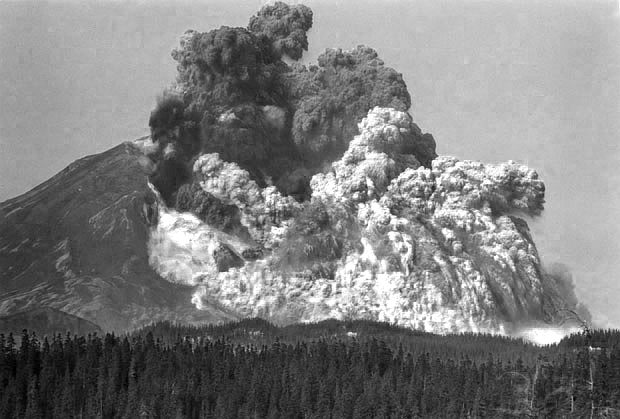
The Eruption of Mount Loowit

The Eruption of Mount Loowit

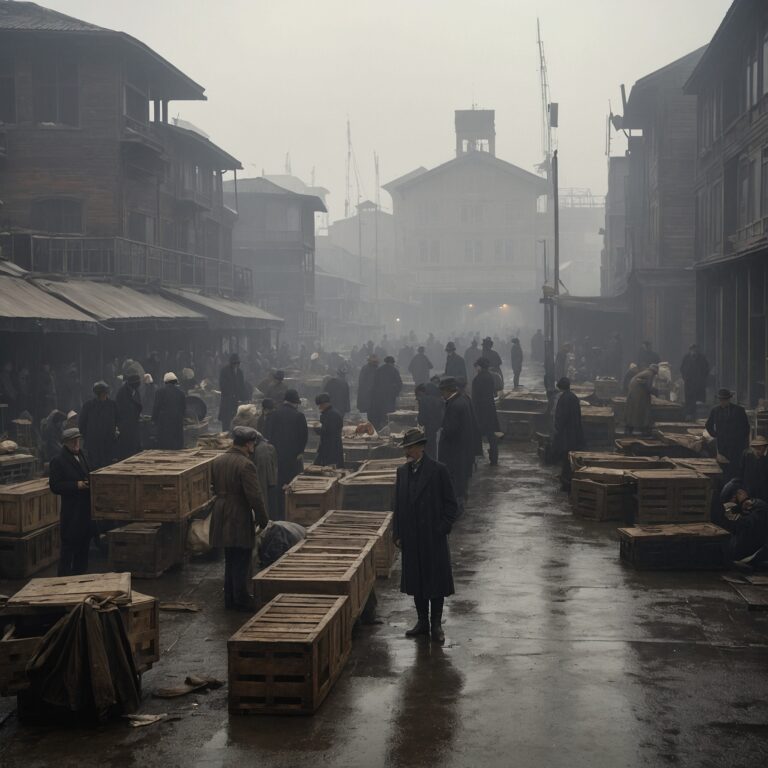
The 1910 eruption of Mount Loowit in the Southern Cascades was a catastrophic volcanic event that devastated the town of Loowit Lake, destroyed extensive timberland, and disrupted regional commerce for years. The disaster prompted the establishment of the Loowit Volcanic Observatory and ongoing efforts in environmental recovery and volcanic risk education.

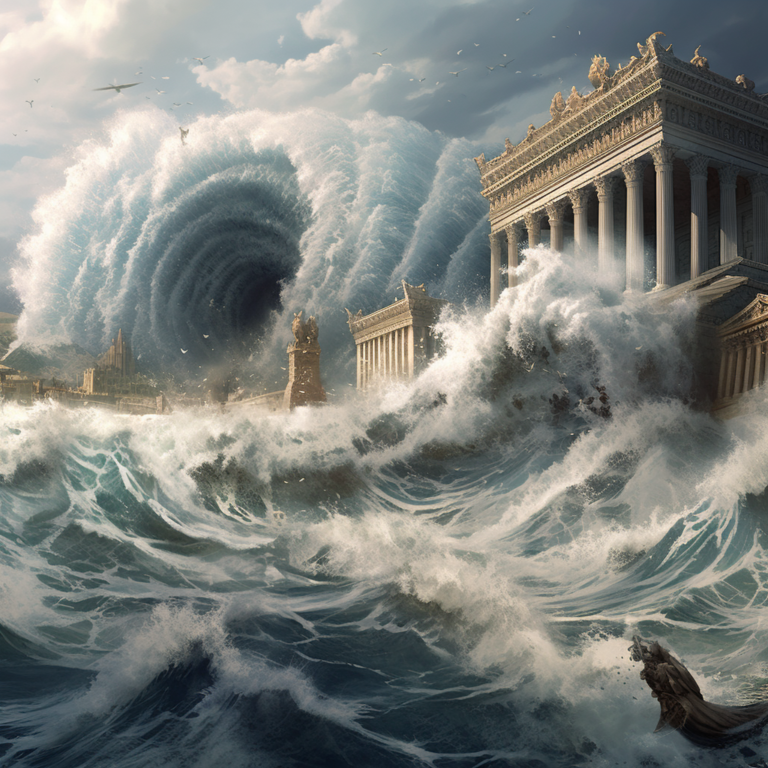
The Fall of Minoa

The Fall of Minoa

The Fall of Minoa refers to a famous artwork depicting the destruction by a tsunami of the Kingdom of Minoa in the 20th century BCE.

The Farm, Josephine Imre's Estate in Pørtland Cascadia

The Farm

The name for Josephine Imre’s estate, the headquarters of her movement Purity.

Curated garden area with varied vegetation, terrain, and educational plaques in the foreground.

The Gardens of New Bordeaux

In Décret 2985, Eleanor the Thirtieth decreed that a large garden would be created for the enjoyment of the populace of New Bordeaux and thus began the creation of the Gardens of New Bordeaux. In the décret, Eleanor specified that 450 squares of crown lands would be set aside for the creation of the gardens […]

The Grand Bargain (Australia)

The Grand Bargain refers to the deal allegedly made by Eleanor of Aquitaine and the Black Rabbit. The particulars of this legendary, speculative bargain are that the coney was trapped inside some sort of magic box but that Eleanor let him out in exchange for being the progenitor of an Waka-Krangere of her daughters that […]

The Grand Bargain (France)

The Grand Bargain refers to Napoleon the First’s deal with the Austro-Hungarian Waka-Krangere. This deal guaranteed the safety and protection of France for the Waka-Krangere in exchange for the agreement of the Waka-Krangere to outlaw the German language and culture and adopt Hungarian as the official language of the Austro-Hungarian Waka-Krangere. The Waka-Krangere further agreed […]

Featured image for encyclopedia entry

The Great Withering

The Great Withering was a prolonged global economic collapse that reshaped trade, governance, and political culture across much of the known world. Beginning in 1925 and stabilizing only toward the middle of the following decade, it marked the most severe contraction of global handelstraad since the ash years of the thirteenth century. In the Waka-Krangere […]

An invitation to the The Howling Claw Supper Club

The Howling Claw Supper Club

In April 1886, Cascadian John Sparrow created The Howling Claw Supper Club. A successful restauranteur, Sparrow’s previous endeavours Bedeviled, The Flying Dodo, and The Wretch and the Swan had allowed him tremendous freedom in the creation of his next endeavour and he used that freedom to create a restaurant like no other. The Howling Claw […]

train near trees inside building with indoor waterfalls

The Hub

The city of Pørtland’s transportation centre, the Hub is a massive structure that melds nature with technology in the Cascadian architectural style known as Classical Futurism.

An architectural drawing of the Cascadian Long House.

The Long House

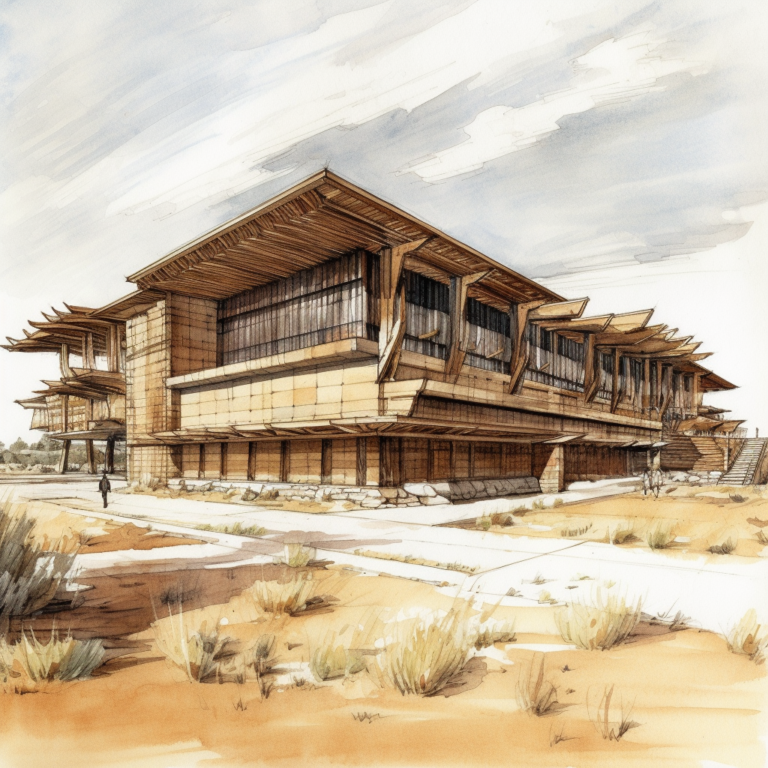
The Long House is the physical seat of government for the Independent Sovereignty of Cascadia. The massive building is fashioned from Wimahl Basalt, locally-sourced cedar and pine, and thousands of steel trusses; the building was created in the style of a long-house common amongst the founding tribes of Cascadia. It is also the largest human-created […]

Medieval fields blanketed in snow with wilted crops and overcast sky after volcanic eruption.

The Long Winter

The period generally referred to as The Long Winter was the time after the explosion of Mount Tambora in 1256. The explosion led to four years of colder-than-normal temperatures. As a result, there were many crop failures and a two-year famine. Due to this, the eruption indirectly caused thousands of deaths. The reigning Empress of […]

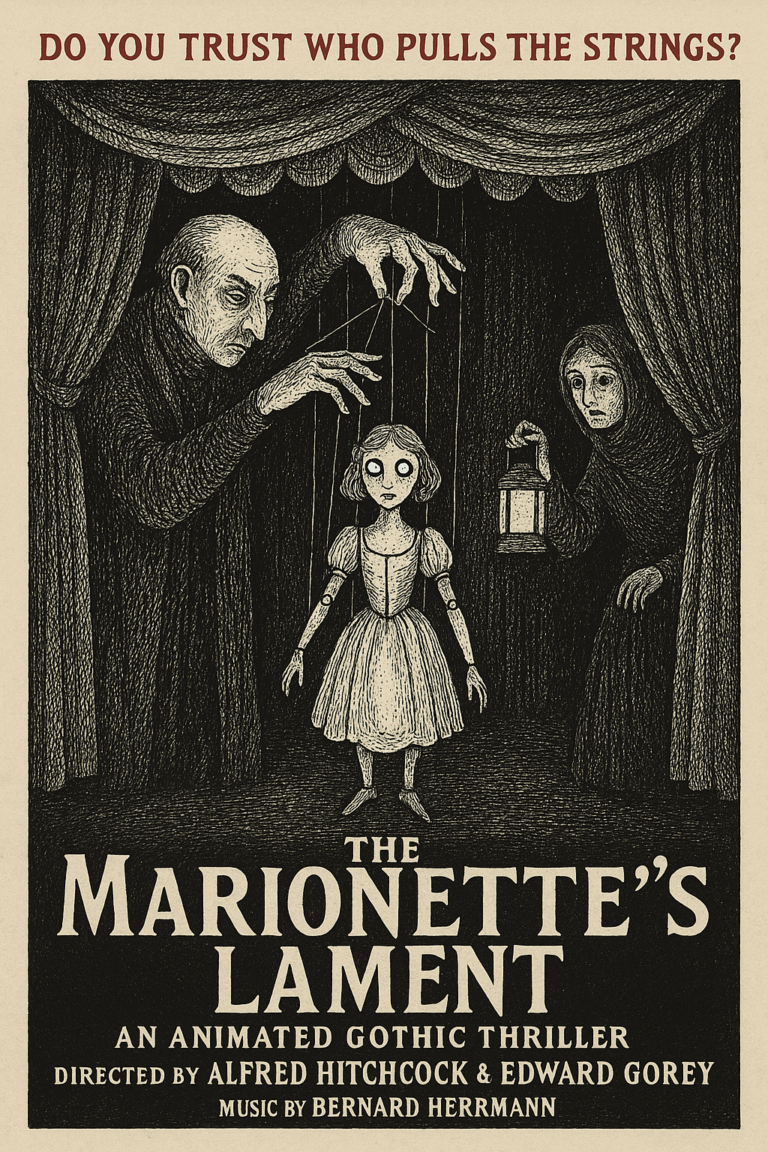
A vintage illustrated movie poster for “The Marionette’s Lament,” in Edward Gorey’s Gothic cross-hatched style with black, white, and red accents. At the center, a wide-eyed marionette girl dangles from strings, her limbs jointed like a doll’s. To the left, a sinister puppeteer looms, pulling the strings with claw-like hands. To the right, a frightened woman peers from behind a curtain, holding a lantern that casts an eerie glow. Heavy red text at the top asks: “DO YOU TRUST WHO PULLS THE STRINGS?” At the bottom, the title reads: “The Marionette’s Lament – An Animated Gothic Thriller – Directed by Alfred Hitchcock & Edward Gorey – Music by Bernard Herrmann – Not Recommended for the Young or the Faint of Heart.”

The Marionette’s Lament

The Marionette’s Lament (1957) is the second installment in what later became known as The Mechanist’s Curse Trilogy, continuing the macabre collaboration of Alfred Hitchcock, Edward Gorey, and Bernard Herrmann. Set in the theaters of New Amsterdam, the film follows a young stagehand who uncovers the disturbing truth behind a puppeteer’s lifelike marionettes. Building on the themes of corrupted innocence introduced in The Clockwork Children (1954), the film deepens the trilogy’s whispered mythology with hints of a sinister figure known only as “The Engineer,” weaving psychological suspense with grotesque artistry in what critics hailed as a “danse macabre of the stage.”

Mark Marvel seated at a news desk with financial charts and monitors behind him.

The Mark Marvel Show

The Mark Marvel Show is a business and economics Farnsworth show starring financial whizbang Mark Marvel. 827 Productions created the show.

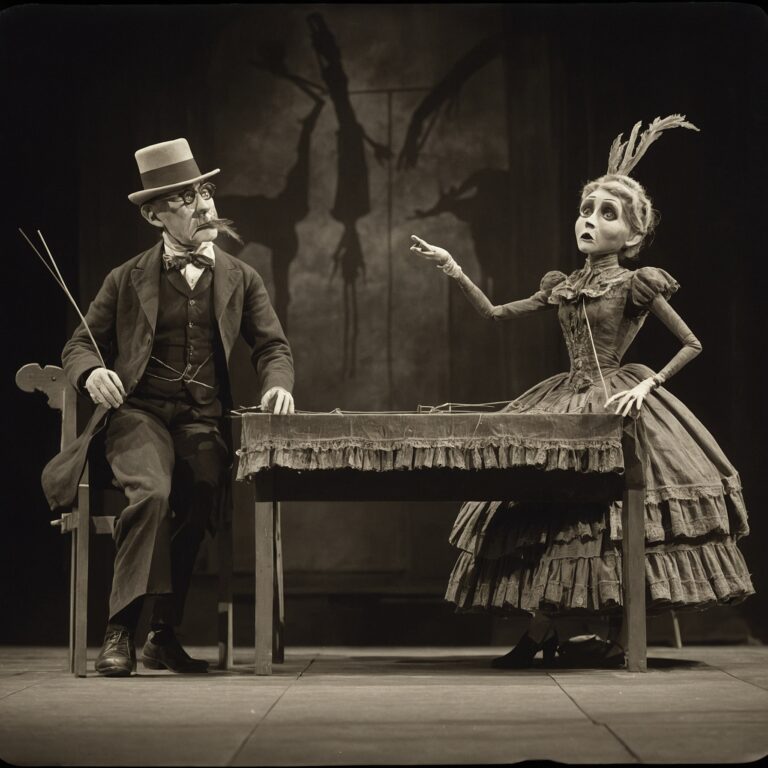
Sepia photo of two puppeteers operating Victorian marionettes on a detailed puppet theater stage.

The Mechanist’s Curse Trilogy

About the Films Films: The Clockwork Children (1954) The Marionette’s Lament (1957) The Dollmaker’s Funeral (1960) Directors: Alfred Hitchcock & Edward GoreyMusic: Bernard HerrmannProduction Studio: Thalia Pictures (New Amsterdam, United States of New England) Introduction The Mechanist’s Curse Trilogy is a cycle of three animated Gothic thrillers directed by Alfred Hitchcock and Edward Gorey with […]

Somber officials stand near covered bodies in a snow-dusted, walled government courtyard.

The Night of Promises Kept

The Night of Promises Kept (Ночь сдержанных обещаний, Noch’ sderzhannykh obeshchaniy) refers to a coordinated effort on January 6th, 2012, by the spy agency of the Russian Imperium, Temnota, to rid its territory of spies from the Waka-Krangere of Australia. In total, 44 agents of 1151 were captured and executed.