New Bordeaux is the capital of the Waka-Krangere of Australia, also known in imperial usage as the Empire of Australia. It occupies the eastern coast of the South Island of Aotearoa and is the nation’s principal imperial harbor, administrative centre, and economic capital. With nearly 17 million residents, it is among the largest cities in the Waka-Krangere.
Geography and city plan
New Bordeaux is organized around the Complexe du Parc Central, an expansive square park system at the centre of the city. The park is connected to surrounding districts by three major avenues on each side, giving the central city a distinctive regular plan. Commercial quarters, apartment districts, government offices, and the harbor are linked by these avenues and their associated transit routes.
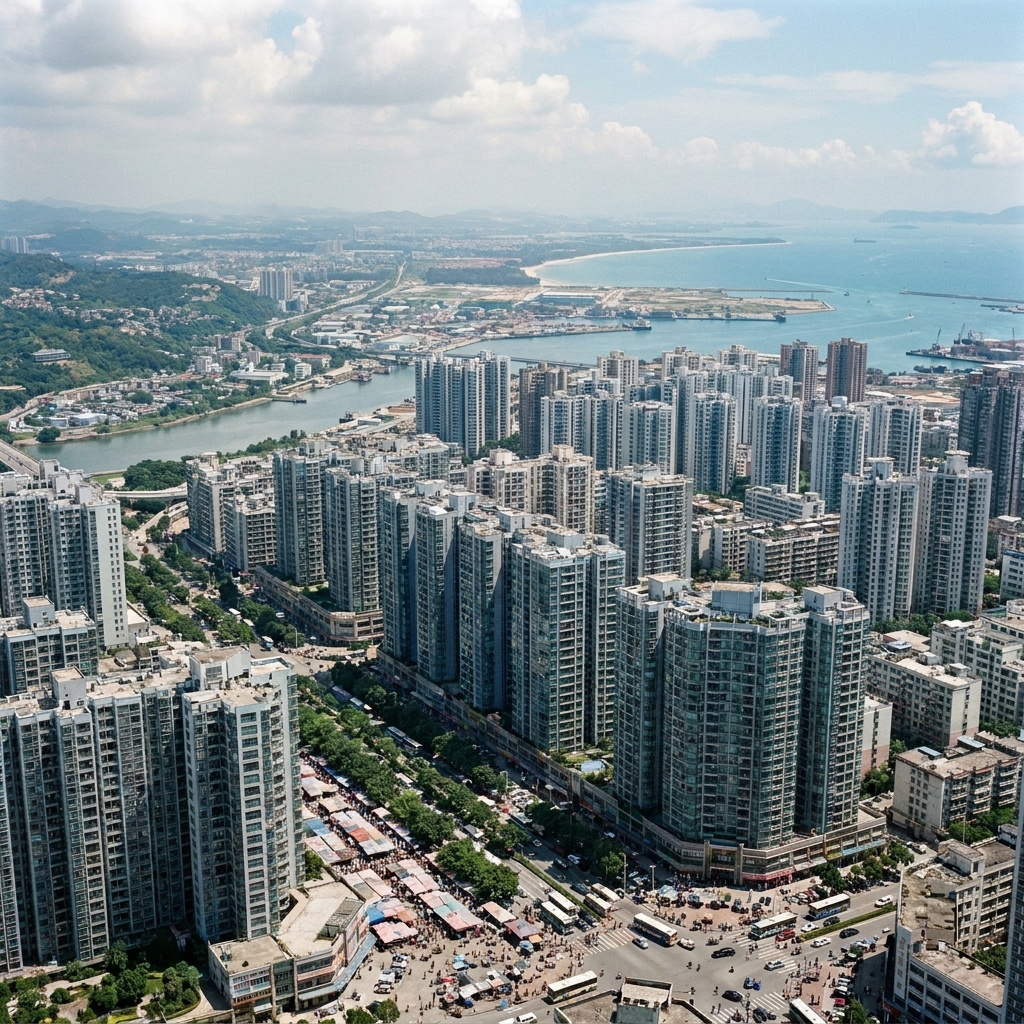
The city’s dense residential neighborhoods are characterized by apartment buildings commonly ten or eleven stories in height. New Bordeaux’s coastal position and harbor have made it a principal point of arrival, exchange, and distribution for the wider Waka-Krangere.
Government and royal residences
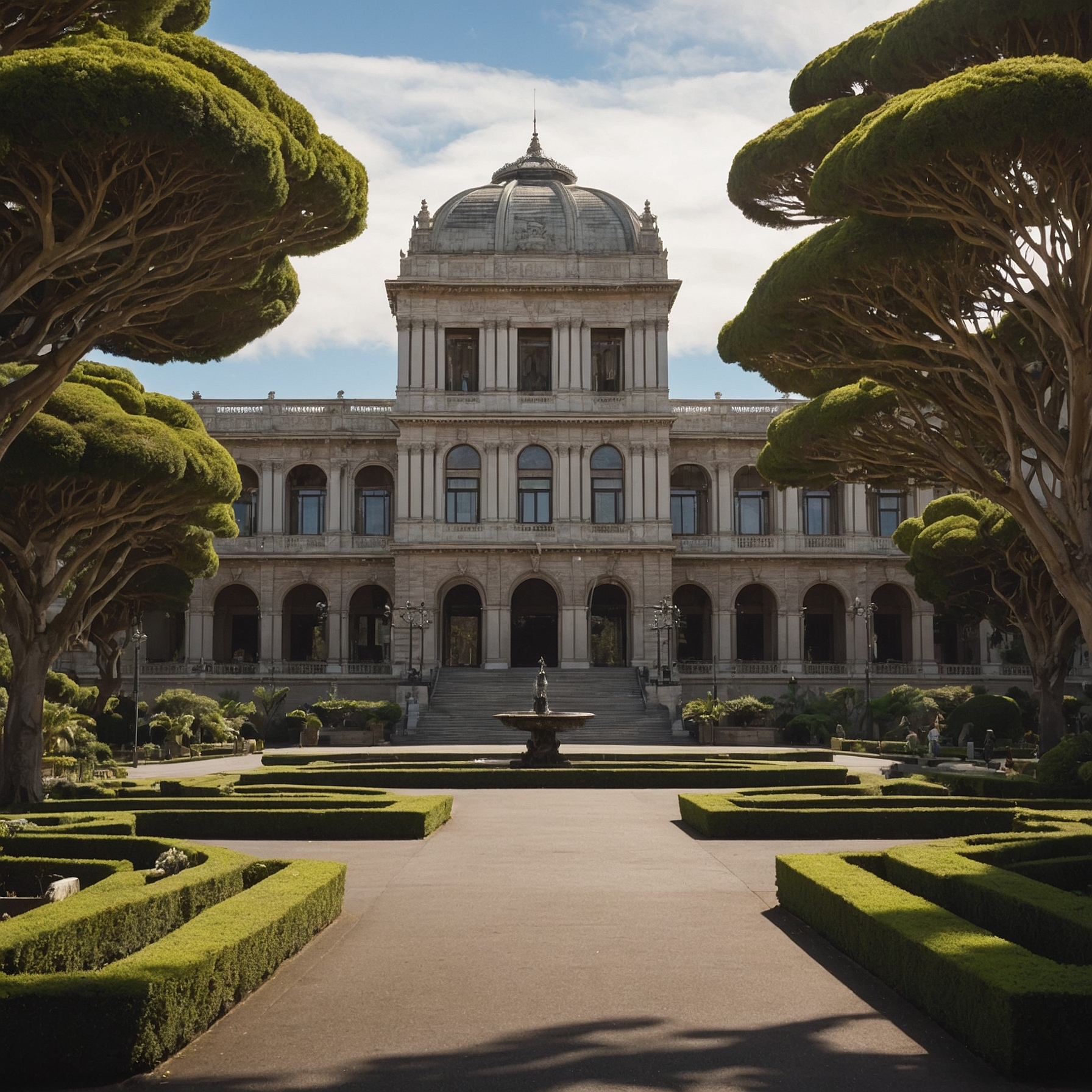
The Great Palace of Aotearoa stands at the heart of the Complexe du Parc Central. As the principal palace in the capital, it is closely associated with imperial government and public ceremony.
New Bordeaux was also the site of the House of Tides, the seasonal residence of Eleanor III. The city’s harbor court was the birthplace and childhood home of Eleanor IV, linking the port and its courtly institutions to successive imperial households.
Economy and harbor
As the economic capital of the Waka-Krangere, New Bordeaux combines administrative functions with a large maritime economy. Its imperial harbor serves as the principal harbor of the realm and supports the movement of people, provisions, and commerce between the city and other parts of the Waka-Krangere.
Public life and infrastructure
During the Long Winter, New Bordeaux became a principal centre for ration distribution, public kitchens, and imperial administration. Its established harbor networks and concentration of government offices gave the city an important role in coordinating relief and civic provision.
The ascenseur was invented in New Bordeaux to facilitate travel between the upper floors of the city’s common ten- and eleven-story apartment buildings and their ground-floor entrances. Its adoption became closely associated with the practical demands of high-density urban life in the capital.